
University Press of Florida
Irish Cosmopolitanism: Location and Dislocation in James Joyce, Elizabeth Bowen, and Samuel Beckett
Irish Cosmopolitanism: Location and Dislocation in James Joyce, Elizabeth Bowen, and Samuel Beckett
Couldn't load pickup availability
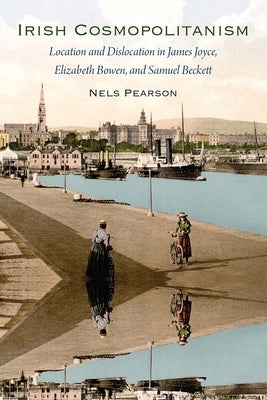
Looking at the writing of three significant Irish expatriates, Nels Pearson challenges conventional critical trends that view their work as either affirming Irish anti-colonial sentiment or embracing international identity. In reality, he argues, these writers constantly work back and forth between a sense of national belonging that remains incomplete and ideas of human universality tied to their new global environments. For these and many other Irish writers, national and international concerns do not conflict, but overlap--and the interplay between them motivates Irish modernism.
According to Pearson, Joyce 's Ulysses strives to articulate the interdependence of an Irish identity and a universal perspective; Bowen's exiled, unrooted characters are never firmly rooted in the first place; and in Beckett, the unsettled origin is felt most keenly when it is abandoned for exile. These writers demonstrate the displacement felt by many Irish citizens in an ever-changing homeland unsteadied by long and turbulent decolonization. Searching for a sense of place between national and global abstractions, their work displays a twofold struggle to pinpoint national identity while adapting to a fluid cosmopolitan world.
Nels Pearson, professor of English and director of the Humanities Institute at Fairfield University, is coeditor of Detective Fiction in a Postcolonial and Transnational World.Author: Nels Pearson
Binding Type: Paperback
Publisher: University Press of Florida
Published: 06/27/2017
Pages: 192
Weight: 0.64lbs
Size: 9.00h x 6.00w x 0.45d
ISBN: 9780813054636